


Our atelier
Inspiration of design
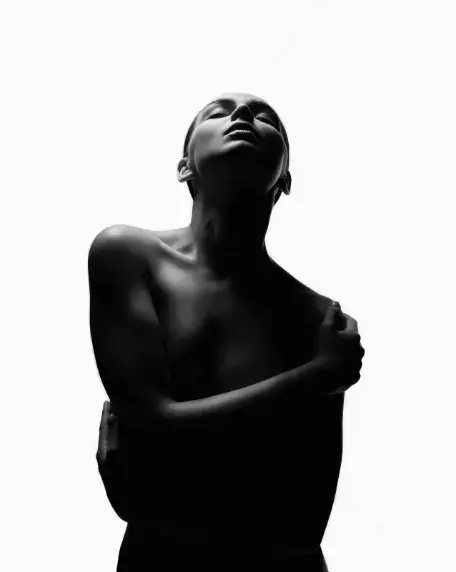
The movement of a woman’s body —
her bone structure, muscles, and subtle gestures
On a wedding day, the moments when
the bride stands still are few and fleeting.
She walks gracefully, bows softly,
tilts her head, gently extends her hand.
She stands in silence, takes a seat,
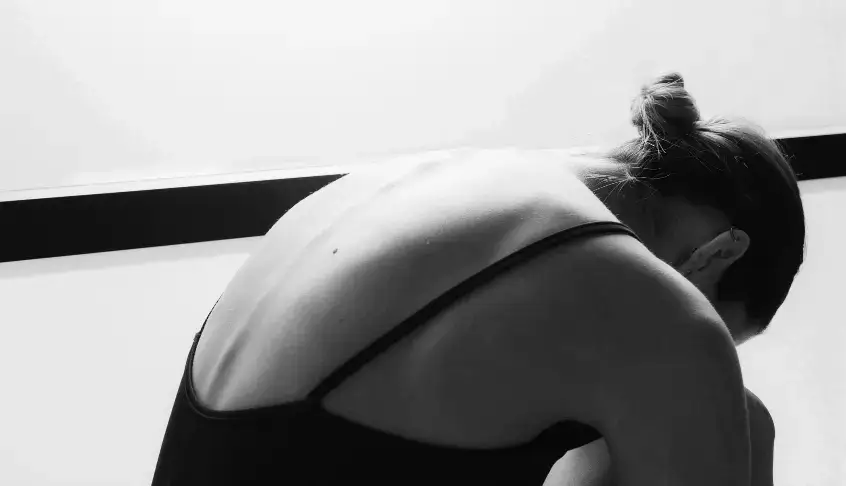
and rises once more— Each time, her back,
nape, arms, and waist move in quiet harmony,
guided by the delicate interplay of bones
and muscles that support every elegant gesture.
the bride stands still are few and fleeting.
She walks gracefully, bows softly,
tilts her head, gently extends her hand.
She stands in silence, takes a seat,
and rises once more— Each time, her back,
nape, arms, and waist move in quiet harmony,
guided by the delicate interplay of bones
and muscles that support every elegant gesture.
To ensure that each of these movements
appears effortless and beautiful,
I study the body’s structure, the flow of muscles,
even how gravity touches the form.
This understanding is woven into each design—
creating dresses that are both light and
comfortable to wear,
while embodying an elegance
that enhances every moment.
appears effortless and beautiful,
I study the body’s structure, the flow of muscles,
even how gravity touches the form.
This understanding is woven into each design—
creating dresses that are both light and
comfortable to wear,
while embodying an elegance
that enhances every moment.
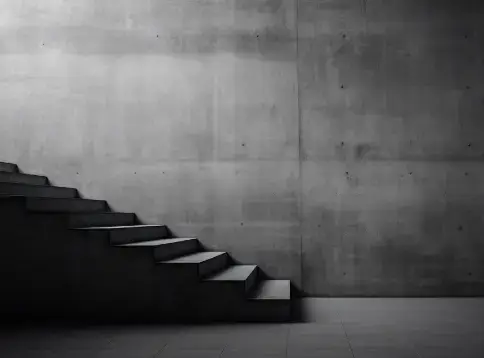
Minimal architecture —
its structure, and the shadows it casts
At nae. ATELIER, every collection begins with
structure—
inspired by the quiet strength
and intentional design of minimalist architecture.
structure—
inspired by the quiet strength
and intentional design of minimalist architecture.
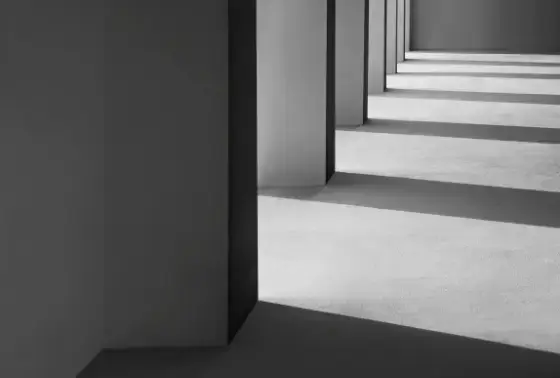
We are drawn to spaces where light defines form,
where shadows shift with time,
and where the absence of ornament reveals
the essence of material and line.
where shadows shift with time,
and where the absence of ornament reveals
the essence of material and line.
This “aesthetics of subtraction” echoes in our dresses:
each garment is a dialogue between body and fabric,
where construction enhances the silhouette,
and elegance is born from precision, tension,
and restraint.
each garment is a dialogue between body and fabric,
where construction enhances the silhouette,
and elegance is born from precision, tension,
and restraint.
Architecture teaches me to listen to space.
I design to listen to the body.
I design to listen to the body.
Design process
1.
Collect inspiration sources / Decide the seasonal theme
Read more
Each season begins with instinct.
I collect what feels purely beautiful— then step back, observe, and let the theme reveal itself.
I collect what feels purely beautiful— then step back, observe, and let the theme reveal itself.
2.
Fabric selection
Read more
Once the theme and structure are defined, I move into fabric selection—a step that defines the silhouette.
At nae. ATELIER, I use custom-developed Japanese silk and carefully chosen materials from Japan and Italy.
Some fabrics are built from the thread up in close collaboration with mills. Others are handpicked for their subtle craftsmanship and expressive texture.
Through each choice, I give form and feeling to the dress— by drawing out the structure and beauty held within the fabric itself.
At nae. ATELIER, I use custom-developed Japanese silk and carefully chosen materials from Japan and Italy.
Some fabrics are built from the thread up in close collaboration with mills. Others are handpicked for their subtle craftsmanship and expressive texture.
Through each choice, I give form and feeling to the dress— by drawing out the structure and beauty held within the fabric itself.
3.
Reading the body, Designing the form
Read more
Once the fabric is chosen, I begin shaping the silhouette—watching how real bodies move, how clothing lives in motion.
The moodboard’s focal point sharpens: a specific part of the body comes into view.
I explore cuts that elevate it, drawing lines on the mannequin while reading structure, muscle, and gravity—seeking that quiet balance where ease meets intention.
The moodboard’s focal point sharpens: a specific part of the body comes into view.
I explore cuts that elevate it, drawing lines on the mannequin while reading structure, muscle, and gravity—seeking that quiet balance where ease meets intention.
4.
The woman behind the dress
Read more
longside the exploration of silhouette, one of the most essential steps
at nae.
ATELIER is crafting the woman behind each dress.
Her age, personality, body type, the dynamic with her partner, even the atmosphere and setting of the ceremony— I imagine her in vivid detail, until she begins to move in my minds like a real person. This process brings warmth and purpose to every design element, transforming the dress from a physical object into something deeply personal.
And in the end, the name that best captures her essence becomes the name of the dress itself.
ATELIER is crafting the woman behind each dress.
Her age, personality, body type, the dynamic with her partner, even the atmosphere and setting of the ceremony— I imagine her in vivid detail, until she begins to move in my minds like a real person. This process brings warmth and purpose to every design element, transforming the dress from a physical object into something deeply personal.
And in the end, the name that best captures her essence becomes the name of the dress itself.
5.
From structure to sketch, and the moment it finds its name
Read more
Every designer has a different process.
For me, once the structure, detail, and the woman behind the dress are clear, I begin constructing it mentally—viewing it from all angles, then translating it into a flat sketch.
I seek the point where fabric, detail, and technique align with ease and precision.
Once the form is in harmony, I draw the dress on the body to convey volume, and name it after the woman it embodies.
By then, the dress feels alive—and naturally finds the one it was meant for.
For me, once the structure, detail, and the woman behind the dress are clear, I begin constructing it mentally—viewing it from all angles, then translating it into a flat sketch.
I seek the point where fabric, detail, and technique align with ease and precision.
Once the form is in harmony, I draw the dress on the body to convey volume, and name it after the woman it embodies.
By then, the dress feels alive—and naturally finds the one it was meant for.
6.
Precise adjustments during the toile fitting
Read more
Once the name is given and the design is finalized,
I move on to specifying every detail—
then entrust the piece to a modeliste I’ve worked with for over a decade.
This is a crucial phase where the structured, sculptural silhouette of nae. ATELIER is translated into physical form.
Even with signature shapes, we refine them each season, adjusting elements like neckline, back lines, and seam placements with millimeter precision to ensure even greater balance and beauty.
At the same time, we closely examine the key structural elements of each new design—refining both the construction and silhouette so they align seamlessly with the body, enhancing its movement and presence with quiet clarity.
This is a crucial phase where the structured, sculptural silhouette of nae. ATELIER is translated into physical form.
Even with signature shapes, we refine them each season, adjusting elements like neckline, back lines, and seam placements with millimeter precision to ensure even greater balance and beauty.
At the same time, we closely examine the key structural elements of each new design—refining both the construction and silhouette so they align seamlessly with the body, enhancing its movement and presence with quiet clarity.
7.
From final fitting to completion
Read more
After meticulous adjustments and refinements made
during the toile fitting, the design is translated into a finalized pattern
and moves into production.
Though nae. ATELIER dresses may appear minimal and effortless,
they often incorporate complex, hidden constructions—
technical challenges that are integral to the design itself.
This is precisely why the sewing process demands exceptional skill.
Each piece is crafted by master artisans in Japan, whose expertise ensures the highest quality finish, down to the finest detail. Once complete, every dress undergoes a final fitting on a model.
Only then does it become the dress—ready to be worn by its bride.
This is precisely why the sewing process demands exceptional skill.
Each piece is crafted by master artisans in Japan, whose expertise ensures the highest quality finish, down to the finest detail. Once complete, every dress undergoes a final fitting on a model.
Only then does it become the dress—ready to be worn by its bride.